
By Sherrill Nixon, CEO, Schools Plus
5 August 2026
This year’s NAPLAN results contain some encouraging signs.
More Australian students are excelling in numeracy, including Aboriginal and Torres Strait Islander students, demonstrating that progress is possible. But beyond the national averages lies the story we should be paying closest attention to, and one we’ve been hearing from NAPLAN for years. Where a child lives continues to shape their educational opportunities. As ACARA CEO Stephen Gniel acknowledged, persistent disparities remain for students from regional and remote communities, Aboriginal and Torres Strait Islander students and those from disadvantaged backgrounds.
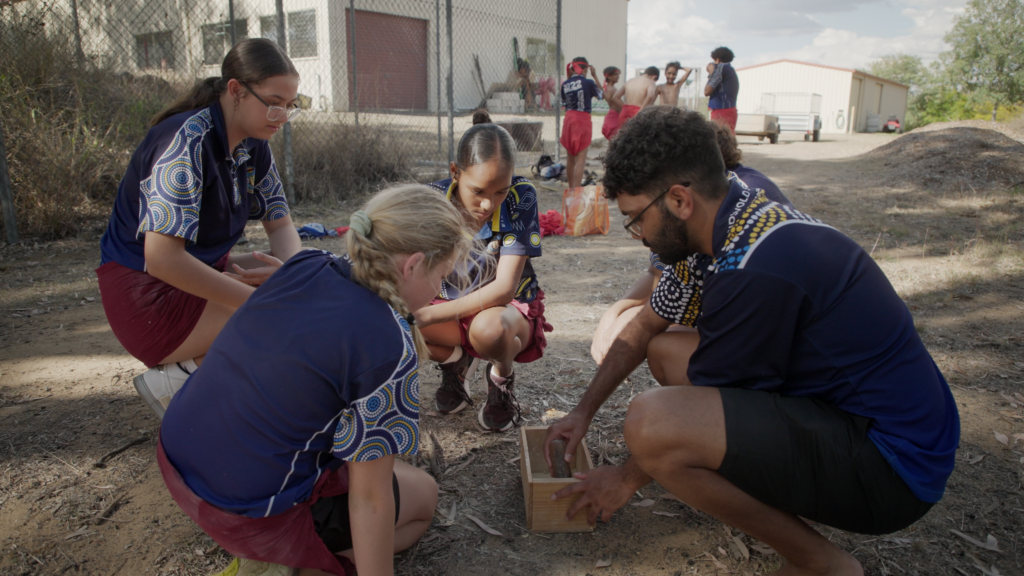
This is not a new finding. It is another reminder that while Australia has become good at measuring educational inequity, we have been far less successful at changing the conditions that produce it. At Schools Plus, we work alongside school leaders and teachers in communities across Australia who see these inequities play out in the lives of students with enormous potential who simply don’t have equitable access to the opportunities and support they need to thrive.
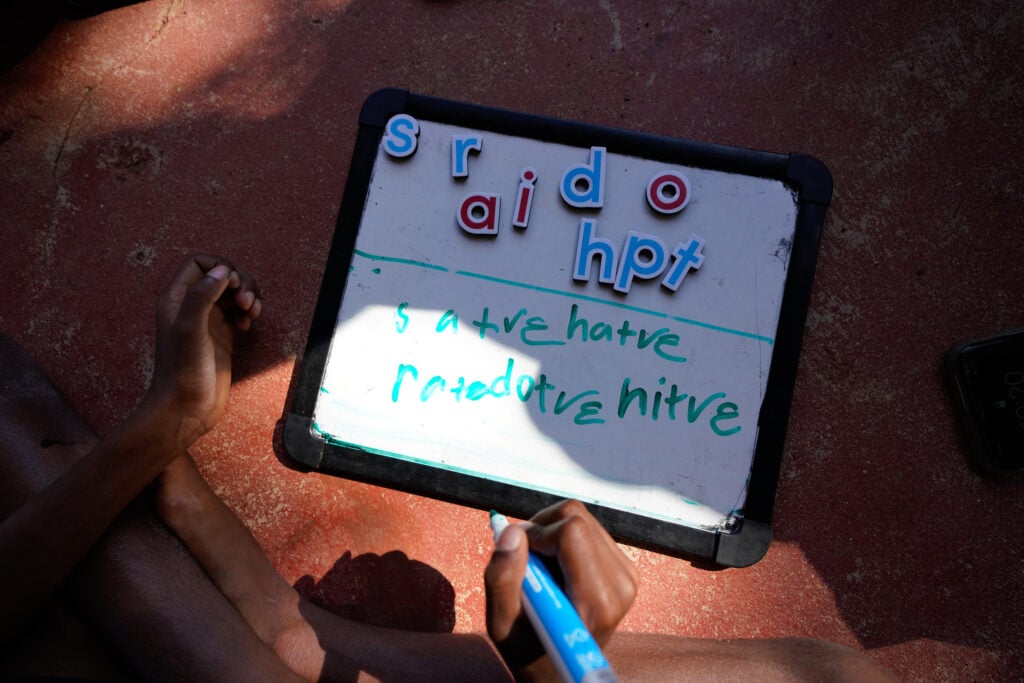
These inequities are experienced in communities across Australia, but they are often most acute in rural, regional and remote communities, where distance worsens existing disadvantage. Children growing up outside our major cities do not have less potential. Their communities are rich in talent and resilience. Yet many schools continue to face persistent teacher shortages, high staff turnover, limited access to specialist expertise and fewer support services than their metropolitan counterparts.
These challenges are often exacerbated by socioeconomic disadvantage, making it harder for schools to meet increasingly complex student needs. Left unaddressed, they widen gaps in learning, confidence and opportunity.
The encouraging news is that we are no longer guessing about what works. We know that investing in great teachers has one of the greatest impacts on student learning. We know that strengthening school leadership creates lasting change beyond individual classrooms. We know that solutions designed with local communities are more likely to succeed than those imposed from a distance. And we know that sustained, long-term investment delivers far greater impact than short-term funding cycles.

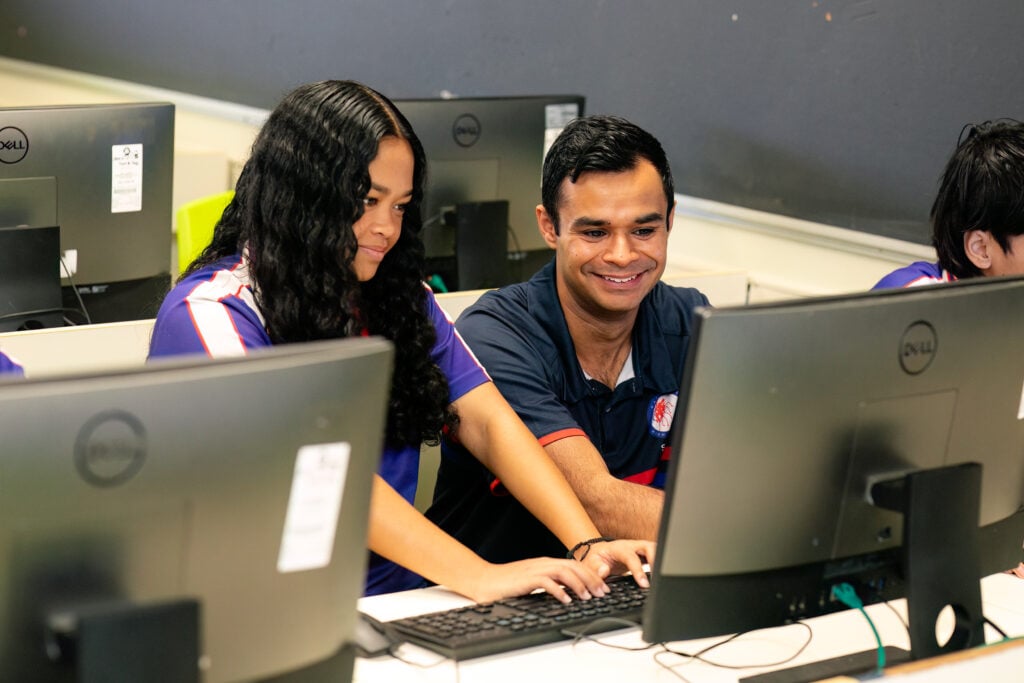
At Schools Plus, we see these principles in action every day. Working alongside education departments, school leaders and teachers, we co-design evidence-informed initiatives that respond to the unique needs of school communities and rigorously measure what makes the greatest difference for students. That looks like children learning to read with confidence, turning up to school ready to learn, discovering new career pathways, teachers feeling better equipped to support their students, and families becoming active partners in their children’s education.
Our partnership with Westpac and the Westpac Foundation is one example of what’s possible when business, philanthropy and school communities commit to long-term change. Together, we’re helping schools strengthen literacy and numeracy, build leadership capability and develop locally designed solutions that continue delivering benefits long after individual programs have ended. It’s an approach that invests in both student outcomes today, and in the capability of schools to keep improving for years to come.
That’s the kind of sustained partnership Australia needs more of if we’re serious about ensuring opportunity isn’t determined by postcode.
This year’s NAPLAN results should be read as a brief for action. Government cannot close these gaps alone. Nor can philanthropy or business acting in isolation. Lasting change depends on sustained partnerships that combine public investment, community leadership and evidence-informed practice to ensure every child has the opportunity to thrive, regardless of where they live.
Every year, Australia asks what NAPLAN tells us about our education system. This year, as in years before, it tells us something we’ve known for a long time. That for too many children, their opportunities are still shaped by their postcode.
The question is no longer whether we understand the problem.
It’s whether we’re prepared to invest in the solutions we already know work.